Fire warden programs look basic theoretically, yet the most effective ones are improved repetition, clearness, and calmness under stress. I have actually seen well-intentioned strategies fail due to the fact that a warden did not recognize where the second extinguisher was, or since the chief warden forgot to choose a scribe during an emptying. The distinction in between a clean drill and an unpleasant event typically comes down to self-displined training and well-defined functions. This overview brings the governing structure and daily truths with each other, so you can set up or rejuvenate your emergency situation control organisation in such a way that stands up when alarms are not theoretical.
What "good" resembles in 2025
For most workplaces, conformity runs through an emergency situation strategy anchored by AS 3745 (Planning for emergency situations in centers) across Australia, underpinned by the Work Health and Safety framework and, for certain industries, added state or sector advice. In practical terms, that means appointing the right individuals, training them to the appropriate proficiencies, drilling the strategy, and keeping accurate records. Both country wide recognised devices you will maintain reading about are:
- PUAFER005 Run as part of an emergency control organisation. This is the backbone for wardens, flooring wardens, and interactions officers. PUAFER006 Lead an emergency situation control organisation. This is the criteria for chief wardens and replacement chiefs.
These devices, frequently supplied as a puafer005 course or puafer006 course, are not abstract tick-box exercises. When embedded correctly, they convert straight into the way a structure removes, the way information streams, and the means small incidents are stopped from becoming huge ones.
Core duties and how they work together
Every workplace needs a tailored roster of wardens that matches occupancy, design, and threat profile. A single-level retail tenancy with 20 personnel and a handful of clients may have a chief warden, a replacement, and two area wardens. A multi-storey health center with blended occupancies will operate a split framework, with flooring wardens, ward staffs, safety, and a central control factor. Different names show up in various sectors, but the relocating parts are consistent.
The chief warden runs the occasion from the control point, using info from the panel, CCTV if readily available, and records from floor wardens. The replacement chief warden mirrors these responsibilities and can be entrusted to field checks, liaise with contractors, or take care of special actions like system seclusion. Flooring wardens, likewise called emergency situation wardens, move areas, take care of local threats like gas shut-offs and door control, and record all-clear condition back up the chain. Communications police officers maintain the log, concern PA statements, and track head counts. Passenger intermediary roles might support mobility-impaired individuals or collaborate with occupants. The framework is flexible, however the hierarchy should never ever be ambiguous.
In most facilities you will still see aesthetic identifiers to decrease complication. The fire warden hat colour is commonly red, and the chief warden hat or helmet is generally white. If you are asked what colour helmet does a chief warden wear, white stays the functional and commonly recognised answer in Australia. Some websites make use of vests rather than hats, commonly with reflective stripes and huge block text. Whichever you pick, keep it regular and visible.
The training systems: what the content actually covers
A puafer005 operate as part of an emergency control organisation program covers the basics: using hand-operated call points, comprehending alarm stages, fundamental fire scientific research, human practices in emergency situations, area moves, and reporting lines. The better companies insist on scenario-based technique. Anticipate to run simulated sweeps in smoke or at least low-visibility conditions, and to practice decisions like when to shut smoke doors, just how to handle a blocked egress route, and just how to manage a troubled passenger who intends to go back for a bag.
The puafer006 lead an emergency control organisation system is not just a bigger version of PUAFER005. It moves focus to management, decision-making under time stress, details triage, and control with emergency situation solutions. In a great puafer006 course you will certainly practice reading a fire indication panel, selecting the best PA message tone and content, structuring radio traffic, and proclaiming a full or partial evacuation. You will certainly likewise plan for simultaneous events, for example a false alarm happening in one zone while a confirmed fire is establishing in another.
Both systems typically combine concept and hands-on sessions. Cardboard slides regarding extinguishers do not build muscle memory. Drawing the pin, sweeping the base, and really feeling the recoil of a carbon dioxide extinguisher in a regulated atmosphere does. Ask suppliers whether they use live-fire extinguisher technique and reasonable comms exercises. If they do not, you will certainly be left loading the void during your drills.
Fire warden demands in the workplace
There is no solitary number that helps every building. A practical guideline is one warden for each inhabited zone or floor, plus a principal and deputy. In high-traffic or high-risk areas, aim for redundancy so you are not subjected throughout leave or change changes. Do not select wardens who are rarely on-site or tied up in tasks that are challenging to desert. Reception and front-of-house staff, as an example, can make excellent wardens due to the fact that they see foot website traffic and can maintain eyes on exits, but just if additional coverage allows them to tip away when needed.
Selection issues. Select people who can remain calm, offer clear guidelines, and difficulty nicely but strongly. Solid communicators are worth their weight in copper cable throughout a discharge. Health and fitness is a variable, yet not an obstacle; pair those with movement constraints fire warden course enrollment right into functions at the control factor online warden training options or communications desk.

Document it. Your emergency warden register need to identify every warden, their location of responsibility, their training money, and contact information. It should additionally reveal the chief warden hierarchy. If you become reliant on someone, the entire system comes to be brittle.
Frequency: how typically to train and drill
As a standard, new wardens must complete a fire warden course lined up to PUAFER005 before taking on responsibilities. Chiefs and deputies should finish the puafer006 lead an emergency control organisation unit. Money matters. Numerous organisations embrace a 12-month refresher cycle for concept and a six-month cycle for sensible drills. Hospitals and aged treatment commonly go beyond that due to vulnerability accounts. If your structure has a high turnover of occupants or seasonal populace spikes, secure extra sessions before peak periods.
Rotate times and scenarios. If every drill happens at 10 a.m. on a Tuesday, the night shift will never see one, and the coffee cart ends up being an untested danger. Go for the very least one after-hours drill annually. Alternative scenarios: cooking fire on degree 2, chemical spill in the plant room, smoke movement from the basement, lift fault throughout a discharge, extreme weather shelter-in-place. The objective is not to deceive wardens, it is to prepare their judgment for strange combinations.
What a durable fire warden course looks like
Content must be anchored in your website. Common slides assist, but site-specific dangers make the learning stick. If your tenancy has a business kitchen area, generate the kitchen supervisor to discuss gas seclusion and grease filter maintenance. If you keep lithium-ion batteries, cover thermal runaway, ventilation choices, and when to shut the door and get out. If your base structure has fire drapes, show a safe going across during deployment.
Good instructors surpass the curriculum and address the human component: people do not like leaving without their bags, they will hold lifts unless you handle lift entrance hall control, and they sometimes disregard alarms. Wardens require scripts and method for these minutes. A firm, short line functions: "For your safety and security, leave currently using the stairs. Lifts are not in solution." Do not dispute, do not elevate your voice, and do not touch people unless they remain in immediate danger.
Chief warden training, obligations, and truth under pressure
Chief wardens bring the radio and, with it, the cognitive load. The chief warden responsibilities span 4 stages: pre-incident readiness, first evaluation, active administration, and handover to emergency situation services. Pre-incident work includes keeping the warden roster present, inspecting that warden packages are stocked, and running periodic tabletop circumstances. During an alarm, principals need to decide quickly: check out, hold, partially evacuate, or clear the structure. That choice is anchored in understood information, not uncertainty. You can hold a staged evacuation if you have confirmation that the alarm system is isolated to a non-life-threatening occasion in a contained area. You evacuate extensively when there is visible smoke, validated fire, or an unrestrained danger such as gas leakage or battery thermal runaway.
Chief fire warden training should include radio self-control. A chaotic radio channel is even worse than silence. Insist on brief, organized messages: That you are, where you are, what you see, what you need. For instance, "Degree 5 warden to Chief, smoke in corridor B, evacuating east wing, need security to stop lifts at degree 4." The primary repeats and confirms, then allots tasks.
The chief warden hat colour is typically white because visibility matters. When firemans get here, they seek the person in charge. A white chief warden hat or vest makes that handoff faster. The chief fire warden duties consist of a succinct quick to the fire solution: alarm areas triggered, location and nature of incident as known, condition of evacuation, any missing out on individuals or mobility-impaired passengers and their last recognized areas, and any kind of special dangers like gas cylinders or battery storage.
Equipment: little information that make a big difference
Warden packages need to be uninteresting and full. An excellent package consists of a hi-vis vest or helmet, a whistle, a small flashlight with spare batteries, an easy door wedge, a standard note pad and pencil, and the latest layout for their zone. If you can afford radios for every warden, do it. If not, designate them to flooring wardens and above, and develop a backup strategy making use of runners. Batteries die. Have a billing regimen, and include a spare radio at the control factor. Your chief warden course must cover radio configuration, talk teams if suitable, and fallback procedures.
The site itself should be drill-ready. Exit doors that swell in humidity can transform a smooth evacuation right into an uncomfortable battle with a latch. Evaluate them quarterly. Keep fire doors from being propped open with containers or planters. If your structure utilizes a fire sign panel with a complicated menu, print and laminate a short quick-reference overview and mount it near the panel.

Extinguishers and first-attack firefighting
The default policy still applies: people first, residential or commercial property second. Wardens do not play hero. First-attack firefighting with an extinguisher only takes place when the fire is tiny, the exit is clear, and a second person watches and guards the escape course. Make use of the best representative. Water on an electrical board or burning oil is a great way to rise a small event. Train on the colour bands and labels, not simply the old red-with-black band CO2 shorthand. Where lithium-ion battery risks exist, emphasise that extinguishers are not likely to address thermal runaway. Isolate, cool down from a secure distance preferably, and evacuate.
Special tenancies and side cases
Not all evacuations look the exact same. A mental deterioration ward will not operate on the very same signs as a workplace. Your emergency warden training should adjust. In healthcare, straight discharge into adjoining smoke areas is typically the method, and staff need practice with bed activity, oxygen shut-off points, and patient prioritisation. In manufacturing, equipment shutdowns and lockout are the risks. In retail, customer flow and security of tills come into play. Prepare for kids, pets, language barriers, and site visitors who do not know your exits.
There are uncomfortable compromises. In high-security centers, you can not simply prop open every door. Coordinate with safety and security to make certain doors stop working risk-free in a fire while safeguarding essential areas from opportunistic access. For after-hours occupancies, demand a clear after-hours warden roster. A building of 400 can feel empty at 7 p.m., and the one service provider on level 9 still deserves a functioning evacuation plan.
The concern of colours and identification
People on a regular basis ask about the chief fire warden hat colour or the emergency warden hat colour as if there is a magic code. The useful technique in Australia remains easy and efficient: white for chief warden, red for wardens. Some websites add yellow for interactions or green for emergency treatment. The objective is immediate recognition, not strict adherence to a global standard. If you choose vests over headgears, maintain the very same colour reasoning and print big text on front and back. Run a brief induction slide for all personnel and regular professionals so they understand who to follow.
Records that auditors and insurance providers care about
Paperwork does not put out fires, however it pays the bills after one. Keep training presence sheets, certificates of completion for each warden course, scenario outlines and results for every drill, warden lineup currency logs, and maintenance records for alarm systems, lawn sprinklers, and extinguishers. If an insurance firm asks just how you meet fire warden training requirements, a neat binder or cloud folder with days, trademarks, and rehabilitative actions talks volumes. When drills reveal problems, document what you transformed, then examination again.
Common failure settings and exactly how to fix them
The very same issues turn up across structures. Radios share networks with safety and become pointless during an event. Repair it by assigning a committed talk group for the emergency situation control organisation and practising its usage. Wardens turn over and no one updates the roster. Fix it with a quarterly schedule tip and make it a person's gauged KPI. Individuals ignore alarms since past activations seemed like incorrect positives. Repair it by differing drill times and communicating clearly about reasons, and by making certain real alarms are uncommon via upkeep and fault resolution.
Stairwells block at the very first touchdown since individuals quit to examine phones or chat. Fix it by training wardens to move people with the very first 2 landings prior to stopping briefly, and by placing an added warden at the very first touchdown throughout large emptyings. Mobility-impaired residents wait for directions and really feel failed to remember. Fix it by assigning a friend program and listing haven points on layout, after that practicing the escort.
Selecting a training company that will in fact boost performance
Certificates are simple to print. Capability takes effort. Look for instructors that request your floor plans, your danger register, and a phone call with your structure supervisor prior to the course. Great providers tailor the puafer005 and puafer006 web content to your setting and bring props that mirror your equipment. Inquire about teacher history. Somebody who has actually worked as a building warden or in the fire service will certainly bring context you can not receive from a generic slide deck. After training, push for an honest debrief: what functioned, what needs a repair, and where your plan is unclear.
A sensible 90‑day rollout for novice or lapsed programs
- Week 1 to 2: Confirm chief warden and deputy consultations, map out zones, and construct the warden roster with backups. Week 3 to 6: Supply PUAFER005 training to wardens and PUAFER006 to chiefs and replacements. Problem vests, radios, and kit items. Week 7 to 8: Run a tabletop exercise with the chief team. Walk through alarm panel use, scripts, and radio protocols. Week 9 to 10: Conduct a building-wide drill, gather timings and monitorings, and paper rehabilitative actions. Week 11 to 12: Close restorative activities. Arrange the following drill and established calendar pointers for refresher courses over the coming year.
This rate is practical for most workplace atmospheres, and it creates momentum without frustrating operations.
Integrating wardens right into everyday operations
The emergency situation control organisation need to not collect dust in between drills. Develop light-touch routines. Chiefs can run a five-minute month-to-month huddle to examine lineups, radio batteries, and any type of brand-new risks like building works. Floor wardens can walk their departures regular and record blocked egress or signage concerns. When brand-new starters arrive, consist of a two-minute slide: alarm tones, departure locations, assembly location, and who the wardens are. These tiny routines keep readiness high and decrease the knowing curve throughout a genuine event.
Chief warden demands when the fire solution arrives
The handoff is faster when details is succinct. Maintain a common rundown sheet at the control point and practice it during chief warden training. Include building address and access points, alarm system zones in activation, nature of the occurrence as comprehended, evacuation standing by flooring, understood risks, and persons unaccounted for with last well-known area. A map that shows hydrant boosters, fire control area, gas meters, and battery storage space saves mins. Then step back and sustain operations as routed. Chiefs remain useful handling structure systems, tricks, and resident communications.
Why drills sometimes feel unpleasant, and why that is okay
A clean, perfectly timed drill may look wonderful on paper, yet it can camouflage blind spots. Real events hardly ever begin at the start of a shift with every warden on-site. People panic, take incorrect turns, or freeze. Drills that expose complication are effective. The step of a fully grown emergency control organisation is not the absence of errors, it is the rate at which those blunders are determined, fixed, and not duplicated. If a drill uncovers that your is faint in the filling dock, you have actually gotten a piece of dependability with fifteen mins of disruption.
The bottom line on compliance and confidence
You satisfy fire warden training requirements by designating a convenient framework, placing wardens with the appropriate training courses, drilling the plan, and maintaining documents. You construct self-confidence by practicing the little choices that specify an emergency: who speaks on the radio, which stairwell to send individuals down when smoke shows up, when to shut a door and walk away. The certificates matter. The repeating matters more.
If your program has actually been inactive, start with the fundamentals: PUAFER005 for wardens, PUAFER006 for principals, a clear lineup, functioning radios, noticeable identifiers, and a drill in the next sixty days. If your program is fully grown, stretch it: run a night drill, exercise a partial discharge, examination a communications failing scenario, or incorporate a shelter-in-place for severe weather. The objective is not excellence, it is durability under stress.
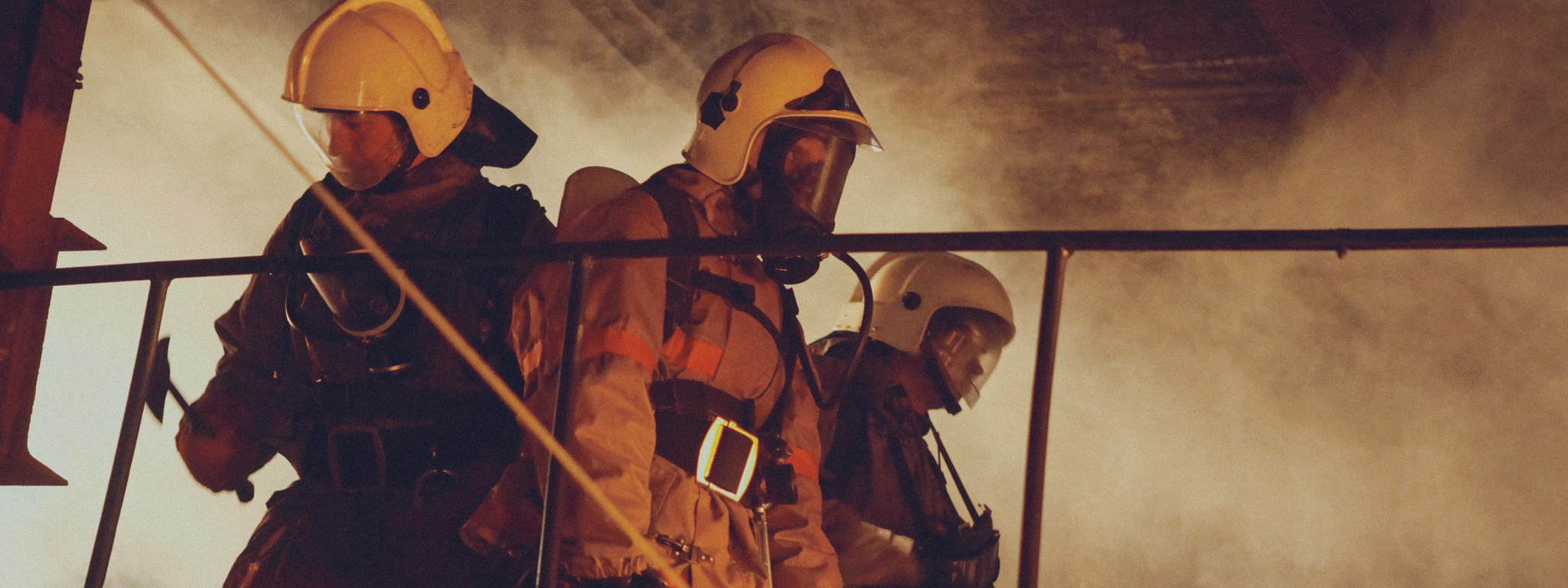
When the alarm system rings, the structure will certainly not rise to the level of its documentation. It will certainly be up to the degree of its training. Develop that training on actual circumstances, clear functions, and self-displined communication, and your individuals will discover the exits when it counts.
Take your leadership in workplace safety to the next level with the nationally recognised PUAFER006 Chief Warden Training. Designed for Chief and Deputy Fire Wardens, this face-to-face 3-hour course teaches critical skills: coordinating evacuations, leading a warden team, making decisions under pressure, and liaising with emergency services. Course cost is generally AUD $130 per person for public sessions. Held in multiple locations including Brisbane CBD (Queen Street), North Hobart, Adelaide, and more across Queensland such as Gold Coast, Sunshine Coast, Toowoomba, Cairns, Ipswich, Logan, Chermside, etc.
If you’ve been appointed as a Chief or Deputy Fire Warden at your workplace, the PUAFER006 – Chief Warden Training is designed to give you the confidence and skills to take charge when it matters most. This nationally accredited course goes beyond the basics of emergency response, teaching you how to coordinate evacuations, lead and direct your warden team, make quick decisions under pressure, and effectively communicate with emergency services. Delivered face-to-face in just 3 hours, the training is practical, engaging, and focused on real-world workplace scenarios. You’ll walk away knowing exactly what to do when an emergency unfolds—and you’ll receive your certificate the same day you complete the course. With training available across Australia—including Brisbane CBD (Queen Street), North Hobart, Adelaide, Gold Coast, Sunshine Coast, Toowoomba, Cairns, Ipswich, Logan, Chermside and more—it’s easy to find a location near you. At just $130 per person, this course is an affordable way to make sure your workplace is compliant with safety requirements while also giving you peace of mind that you can step up and lead when it counts.